
MAASAI MARA NATIONAL RESERVE
Kenya’s Masai Mara National Park borders Tanzania and is adjacent to the Serengeti National Park. The Masai people group is honored by the park region’s name.
The Masai Mara covers an area of 1,510 square kilometers, or 580 square miles. It stands for the Mara-Serengeti ecosystem’s northernmost region. The main rivers that drain the reserve’s water are the Talek, Sand, and Mara rivers. The park is separated into two primary sections: the inner section, which is home to pristine wilderness, and the outer section, which is used for Masai cattle grazing.
In addition to the diversity of predator species, the Masai Mara is well known for the quantity and diversity of larger plains species. It is regarded as the only location in Kenya that still has a wildlife population that is similar to what it was in the past. Fortunately, the preserve exists to protect the declining wildlife, despite its abundance. It is among the most sought-after wildlife viewing locations in Africa.
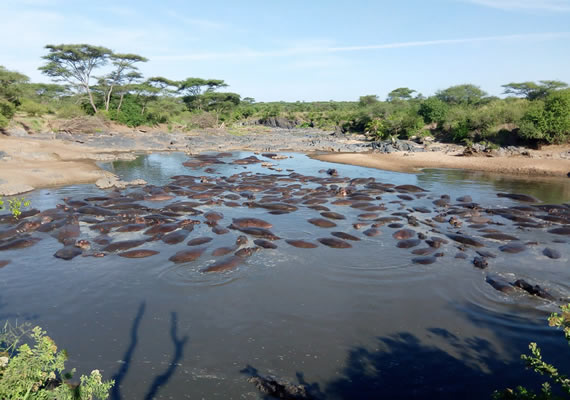 Hippo, giraffe, waterbuck, reedbuck, roan antelope, warthog, eland, topi, gazelle, zebra, baboon, crocodile, different monkey species, and black rhino are among the popular wildlife that can be spotted in the Masai Mara. You can see all seven of Africa’s Big 7 animals, with the exception of the mountain gorilla. Kenya’s largest lion collection is found in the Mara.
When it comes to wildlife viewing, predator species are nearly always at the top of travelers’ lists. The Mara has them, which is good news. The park is home to lions, leopards, cheetahs, jackals, hyenas, and several species of mongoose.
The Koiyaki, Lemek, Ol Chorro Oirowua, Olkinyei, Siana, Maji Moto, Naikara, Ol Derkesi, Kerinkani, Oloirien, and Kimintet protective ranches are all part of the broader Mara Ecosystem, which includes the Masai Mara. Together, these initiatives acknowledge the importance of preserving the area’s wilderness and wildlife.
Travelers come to Masai Mara for the wildlife, despite the beauty of the plains and wooded areas. The majority of visitors aim to witness the wildebeest migration through the park during the months of July through October.
Opportunities for historical and cultural experiences abound as well. You can experience the culture of the Masai people by visiting their villages and cultural centers. If you listen carefully, you may improve your jumping skills.
HIGHLIGHTS
Considered the gem of wildlife viewing, the Masai Mara is likely Kenya’s most popular safari destination. There are 95 different species of reptiles, amphibians, and mammals in the park. With more than 400 bird species, it is also a popular destination for birdwatchers.
A breathtaking highlight, whether in Tanzania or Kenya, is soaring over the herd of more than a million wildebeest, along with hundreds of thousands of zebras and gazelles. Potential predators include lions, leopards, cheetahs, servals, jackals, and hyenas.
If the migration herd has crossed the Mara River and is grazing across the plains and vegetation of the wilderness area, one can witness large herds of 200,000 zebra, 18,000 elands, 500,000 gazelles, 97,000 topi, and 1.3 million wildebeest.
The entire Mara experience is vast. Acacia and related bush groves are interwoven with expansive game viewing, breathtaking views, and seemingly endless rolling hills. The park is traversed by the Mara River and its tributaries, which produce virgin riverine forests.