
LAKE MANYARA NATIONAL PARK
Lake Manyara National Park, nestled in northern Tanzania between Lake Manyara and the Great Rift Valley escarpment, is a compact yet ecologically diverse sanctuary. Established in 1960, the park spans approximately 325 square kilometers, with Lake Manyara itself covering about 230 square kilometers of this area .
Wildlife & Ecosystem
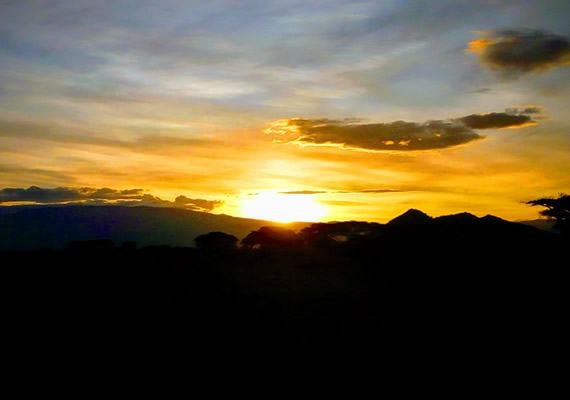 Despite its modest size, Lake Manyara National Park boasts a rich tapestry of wildlife:
Tree-Climbing Lions: One of the park’s most renowned features is its population of lions that have adapted the unusual behavior of climbing trees, often seen lounging on acacia branches.
Elephants: The park is home to large herds of elephants, frequently observed near water sources, especially during the dry season .
Primates: Visitors can encounter troops of baboons, blue monkeys, and vervet monkeys, particularly in the groundwater forests near the park entrance .
Other Mammals: The diverse habitats support species such as giraffes, zebras, wildebeests, impalas, waterbucks, warthogs, and, occasionally, leopards and cheetahs .
Birdlife: With over 400 bird species recorded, the park is a haven for birdwatchers. Notably, the alkaline Lake Manyara attracts vast flocks of flamingos, pelicans, herons, and storks .
Landscape & Unique Features
The park’s terrain is remarkably varied:
Groundwater Forests: Fed by underground springs, these lush forests near the park entrance are dominated by fig and mahogany trees .
Acacia Woodlands & Savannahs: These areas provide habitats for a range of herbivores and predators .
Alkaline Lake: Lake Manyara itself is a shallow, alkaline lake that fluctuates in size with the seasons, providing critical feeding grounds for numerous bird species .
National Parks
Hot Springs: The Maji Moto hot springs, located on the western shores, are geothermal features with temperatures reaching up to 70°C