
ABERDARE NATIONAL PARK
Stretching across the higher regions of the Aberdare Mountain ranges, Aberdare National Park is a safari park that spans more than 767 square kilometers and is situated in Central Kenya, east of the East African Rift Valley. The Aberdare Salient covers it to the east. Despite its relatively low elevation (1829 m above sea level), the park has been designated as a landscape park. The numerous tourist attractions in Aberdare National Park, which are among the reasons why so many visitors from all over the world frequent the park, make a Kenya safari an exciting and highly rewarding experience.
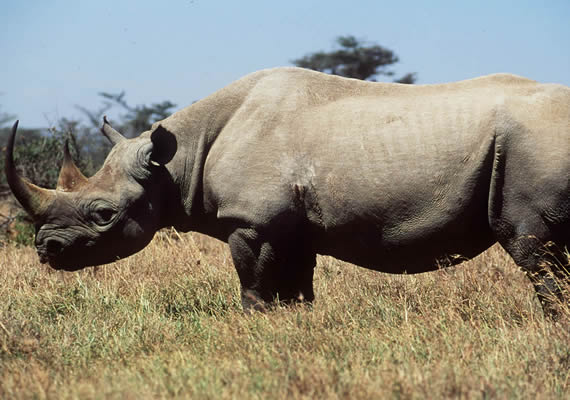 Generally speaking, the landscape is diverse, with deep gorges running along the slopes of the mountains’ eastern and western forested regions. Along with the Black Rhinos that are frequently seen in this park, other animals that can be seen include baboons, sykes monkeys, white and black Colobus monkeys, and leopards. Many rare species, such as the lion, golden cat, and bongos—difficult-to-find forest antelopes—can be found in these bamboo forests. A massive, ancient Mugumo (fig) tree can be seen on the lush slopes of the Aberdare ranges; Just by observing it, it is clear that this tree has a rich past that is best told by the locals.
The Kenyan Mau Mau freedom fighters not only carved out cracks in the tree’s trunk, but they also used these cracks as an unidentified post office to deliver messages to agents. The fig tree in front of the Kimathi Post Office was later renamed in honor of Field Marshall, the Mau Mau group’s founder and leader, Dedan Kimathi. Old caves that the freedom fighters used as hiding places during the Guerrilla Revolution against the British colonial power are another reason Aberdare National Park is well-known. The Kinangop and Ol Donyo Lesatima peaks, the moorlands, bamboo thickets, deep ravines, Gura falls, rough terrain, Karuru falls, rivers, Chania falls, streams, and the Magura falls are some of the park’s other intriguing features.
The African elephant herds, the enormous forest hog, leopards, buffaloes, reed bucks, the black rhinoceros, hyenas, the bongo antelope, the warthog, the Genet cats, wild dogs, the elands, the Columbus monkey, the red duiker, the baboon, and the Sykes monkey, among others, can be found in Aberdare National Park’s diverse habitats. Additionally, the area is home to a wide variety of birds. The Kikuyu, who live in one of the communities closest to the park, consider these ranges to be among their homes and think that these are some of the places where their gods reside.
Due to the many unique folds that can be found here, the locals gave this area the original name Nyandarua, which translates to “drying hide” in their native tongue. However, because of the large number of European immigrants who came to this area in the 1920s, some early colonial settlers called these ranges the White Highlands. The British then adopted this name. In honor of Lord Aberdare, an early explorer who had made the first explorations of the region, the Kenya Aberdare ranges were renamed in 1884. Lord Aberdare was the president of the Royal Geographic Society at the time.