
NGORONGORO CONSERVATION AREA
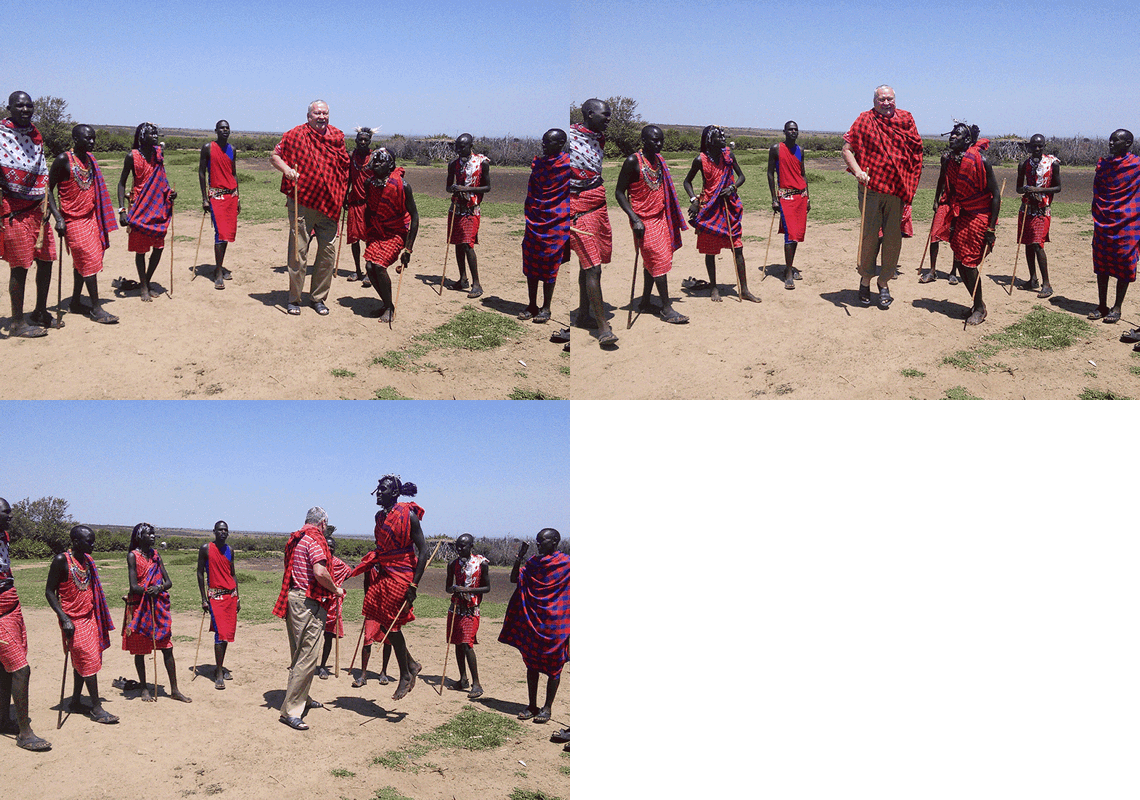 The Republic of Tanzania is home to the Ngorongoro Crater and Conservation Area, a UNESCO World Heritage Site. Large tracts of craters, gorges, lakes, rivers, streams, savanna grasslands, and woodlands were all included in its 1959 establishment. The breathtaking wildlife and landscape combination is comparable to that of the Maasai Mara National Reserve and the nearby Serengeti. Part of the renowned, award-winning film “Out of Africa” was shot in Ngorongoro. Olduvai Gorge, the isolated crater highlands, and the well-known Ngorongoro crater—from which the area gets its name—make up the Ngorongoro Conservation Area.
Because it is a true animal paradise, the Ngorongoro Conservation Area is frequently referred to as “the Garden of Eden.” Due to its high animal concentration and threatened species, the crater is significant for biodiversity worldwide. It is the world’s largest unfilled volcanic caldera. About 3 million years ago, a massive volcano that was roughly 19,000 feet high exploded and fell on top of itself, creating the crater. The enormous explosion created a floor that was 2,000 feet deep and 260 square kilometers in size. Water features such as Lake Magadi and the Ngoitokitok Spring are found within the crater. In addition to providing year-round water for wildlife, the Maasai herdsmen also use the water bodies to hydrate their livestock, especially during the dry months of the year.
One of the greatest locations in Africa to see wildlife is the Ngorongoro Crater. The Ngorongoro Crater is thought to be home to more than 24,000 large mammals. Waterbucks, African leopards, black rhinos, buffaloes, cheetahs, crocodiles, elands, Grant’s gazelle, zebra, hippopotamus, impala, lions, oribi, Thomson’s gazelles, topi, and wildebeest are among them. With the exception of a few wildebeest and elephants, the majority of these animals stay in their natural habitat without moving. In certain species, such as lions, this has resulted in severe inbreeding.
There is a lot of wildlife outside of the Ngorongoro Crater. There are also robust wildlife populations as one leaves the crater and enters the larger Ngorongoro Conservation Area. There are many lions and cheetahs in the Lake Ndutu area . Jackals, spotted hyenas, wild dogs, and servals are among the other creatures that can be found near the lake. The well-known Great Migration in East Africa takes place in the Ngorongoro Conservation Area. Approximately 265,000 gazelles, 450,000 zebras, and 1.6 million wildebeest travel through the region from the south in December. The same number returns to the North in June.