
TRAVEL TIPS FOR TRAVELERS TO KENYA AND TANZANIA
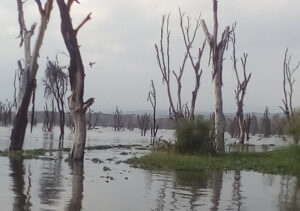 Traveling to Kenya and Tanzania offers an unforgettable blend of wildlife, landscapes, and culture. To help you prepare for your journey, here are essential travel tips:
🧳 Packing & Clothing
Dress in Layers: Pack light, neutral-colored clothing to blend into the environment and avoid attracting insects. Include long-sleeved shirts and trousers for sun and insect protection, and a warm jacket for cooler mornings and evenings.
Footwear: Comfortable, closed-toe shoes are recommended for game drives and walking safaris.
Accessories: Don’t forget sunglasses, a wide-brimmed hat, sunscreen, insect repellent, and a reusable water bottle.
🦟 Health & Safety
Vaccinations: Ensure you’re up-to-date on routine vaccinations. Yellow fever vaccination is recommended, and proof may be required upon entry.
Malaria Prevention: Both countries are malaria-endemic. Consult your doctor about prophylactic medication and use insect repellent and mosquito nets.
Travel Insurance: Obtain comprehensive travel insurance that covers medical evacuation, as medical facilities may be limited outside major cities.
🐘 Safari & Wildlife
Best Time to Visit: The dry seasons (June–October and January–February) are ideal for wildlife viewing. The Great Migration typically occurs from July to September.
Wendy Perrin
Game Drives: Early morning and late afternoon are prime times for animal activity.
Respect Wildlife: Always follow your guide’s instructions, maintain a safe distance from animals, and never leave the vehicle unless permitted.
🛂 Visas & Entry Requirements
Visas: Most travelers require visas for Kenya and Tanzania. Check the respective embassy websites for the latest requirements and consider applying online in advance.
Passport Validity: Ensure your passport is valid for at least six months beyond your planned departure date and has sufficient blank pages.
💳 Money & Connectivity
Currency: Kenya uses the Kenyan Shilling (KES), and Tanzania uses the Tanzanian Shilling (TZS). Carry some local currency for small purchases, but major hotels and lodges often accept credit cards.
ATMs: Available in major cities, but may be scarce in remote areas.
SIM Cards: Purchasing a local SIM card upon arrival can be cost-effective for data and calls.
🚗 Transportation
Road Travel: Safaris often involve long drives on rough roads. Be prepared for bumpy rides and consider motion sickness remedies if needed.
African Travels
Domestic Flights: For longer distances, consider internal flights to save time and avoid lengthy road journeys.
🌍 Cultural Etiquette
Greetings: A friendly “Jambo” (Hello) is commonly used.
Photography: Always ask for permission before photographing people.
Dress Modestly: Especially in urban and rural communities, dress conservatively to respect local customs.
⚠️ Safety Precautions
Stay Informed: Monitor local news and follow travel advisories.
Avoid Flashy Displays: Keep valuables secure and avoid displaying expensive items in public.
Local Guidance: Always heed advice from local guides and authorities, especially regarding areas to avoid.